- At PPE most aluminum extrusion tooling costs fall between $1250 and $1950, depending on part complexity.
- Tooling charges include a custom die and sample parts, helping validate designs early.
- Design simplification by including PPE early in the design process can significantly reduce costs.
- PPE specializes in tight-tolerance, small aluminum extrusions with no minimum orders and rapid turnaround.
- Understanding your options upfront leads to smarter decisions and long-term savings.
When you’re building a custom aluminum extrusion, understanding tooling costs is one of the first—and most important—budget considerations. Whether you’re working on a medical device, aerospace component, or rugged industrial part, the upfront investment in tooling can influence both your timeline and your total project cost.
At Profile Precision Extrusions, we specialize in small, tight-tolerance aluminum extrusions, so we know how important it is to balance cost, performance, and speed. Here’s what you need to know about aluminum extrusion tooling costs and how to manage them efficiently.
How Much Does Aluminum Extrusion Tooling Really Cost?
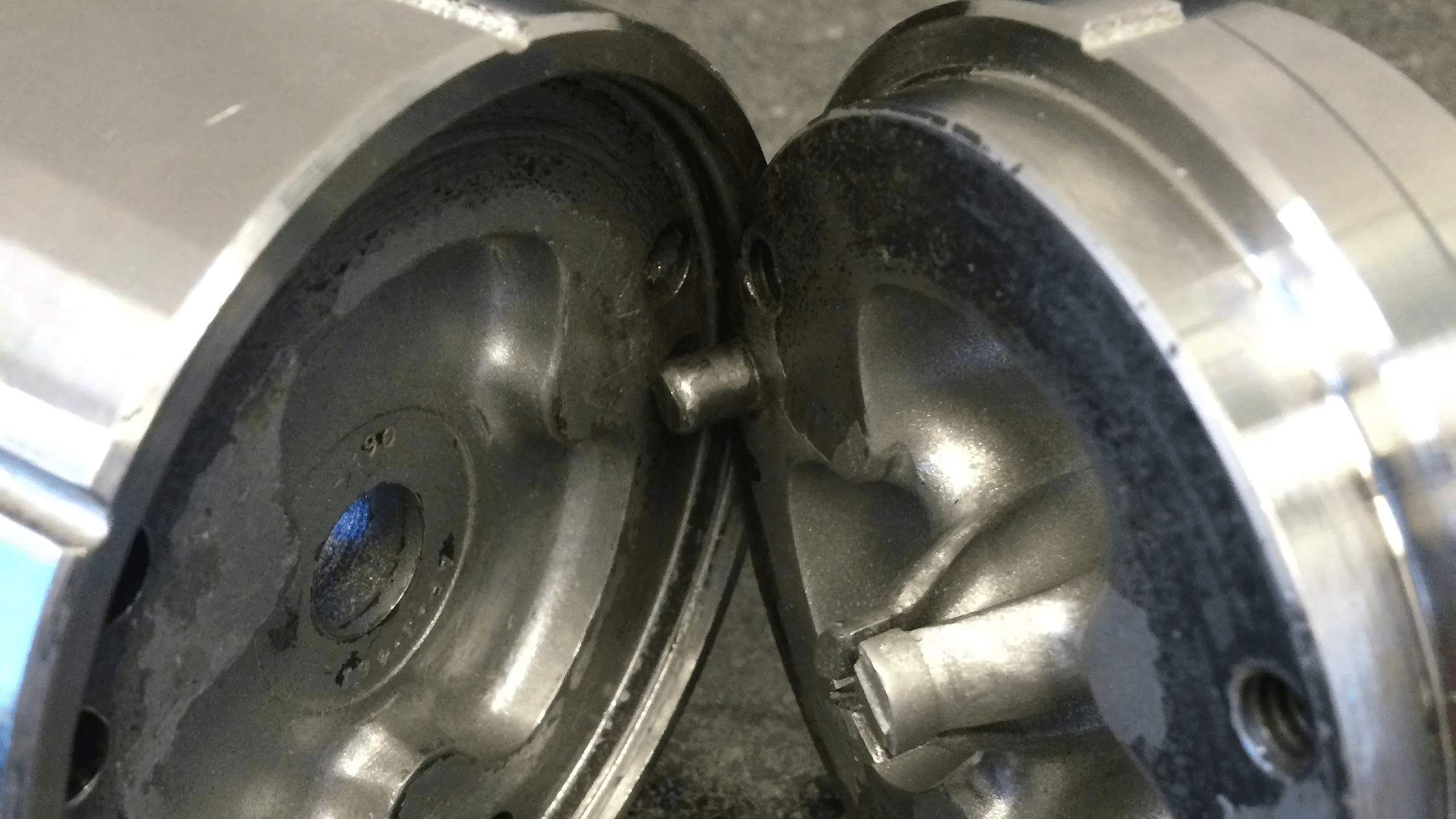
At PPE, most custom dies fall between $1250 and $1950 depending on the profile type:
- Solid profile dies: around $1250
- Hollow dies: $1950
- Complex or muti-hollow dies: up to $5000
Tooling also includes 20-30 feet of sample extrusions, so you can review, test, and refine your design before full production. Lead times are fast—typically 3 to 5 weeks for most die builds. Samples usually ship 2 weeks after the die is completed.
Compared to other manufacturing processes, aluminum extrusion offers relatively low tooling costs and short turnaround times, making it ideal for prototyping, design iteration, and low-to-medium production volumes.
What Affects the Cost of Extrusion Tooling?
Profile Complexity
The more intricate the design, the more complex the die—and the higher the cost. Features like multiple hollows, tight corners, thin walls, or compound curves can increase both tooling and setup costs.
Hollow vs. Solid Designs
Solid dies are simpler and more affordable. If your design can be adjusted from a hollow to a solid shape—or simplified in another way—it can result in significant savings on tooling and downstream processes.
Precision and Tolerance Requirements
Tight tolerances are PPE’s specialty, but they can affect tool wear and quality control needs. Working with your extrusion partner early helps ensure tolerances are optimized for both function and manufacturability.
4 Ways to Control Costs Without Compromising Quality
1. Design for Manufacturability (DFM)
PPE works directly with engineers during the design phase to simplify profiles, select cost-effective tolerances, and avoid costly secondary machining.
2. Evaluate Existing Tooling
In rare cases, it may be possible to modify or adapt an existing die. This can save time and reduce cost for projects with similar profile needs.
3. Plan for Production Volume
Even with no minimum order requirements, bundling or forecasting production runs can help optimize die longevity and reduce the per-part cost over time.
4. Work With a Responsive Partner
Choosing a supplier that encourages prototyping, no minimum orders, and tight-tolerance experience means you get what you need—without overpaying or overengineering.
Industries That Benefit from Low-Cost, High-Precision Tooling
PPE serves a wide range of industries where precision, customization, and efficiency are critical. This includes:
- Medical and healthcare (minimally invasive surgical tools and stethoscopes)
- Aerospace and defense (galley & lavatory trim and heat pipes)
- Industrial and automation (linear slides)
- Firearms and sporting goods (bike rims, picatinny rails)
Our customers value tight tolerances, quick lead times, and the ability to create high-performance components with minimal machining required.
Start Smart: Get the Most From Your Tooling Investment
Understanding the factors behind aluminum extrusion tooling costs helps you make smarter decisions from the start. At PPE, we believe engineers shouldn’t have to choose between precision and affordability. That’s why we offer fast, cost-effective tooling, tight-tolerance capabilities, and expert support from concept to production.
Need help estimating costs for your next design?
Let’s talk. Our team is ready to evaluate your project and help you build a better, more efficient part—without breaking the budget.